Addiction Treatment Texas: The Importance of Continuing Care
Recovery hardly ever ends when a person leaves of a detox system or finishes a thirty days program. The mind, the body, and the home system adapt to alter on a slower clock than a discharge date. That is why continuing treatment, the organized comply with up that begins the moment official therapy ends, often makes the distinction in between a single episode of treatment and a durable go back to health. In Texas, distance, environment, armed forces presence, and a patchwork of coverage choices form what good continuing treatment looks like. If you operate in the area or you are sustaining an enjoyed one, it helps to comprehend the items that keep individuals progressing over months and years, not merely through a brief program.
Why the aftercare window matters
Acute therapy supports. Proceeding treatment re-wires. The first three to 6 months after discharge are high danger due to the fact that ecological cues re-emerge, rest and stress systems stay dysregulated, and daily frameworks change. National estimates place relapse rates for material usage problems in a range similar to other persistent health problems like diabetic issues or hypertension. That https://alexisqhed120.talesignal.com/posts/the-detox-refine-explained-starting-addiction-treatment-in-texas-securely frame matters. We do not call insulin a failure when a person with diabetes has a sugar spike. We adjust the plan, recheck, and sustain the individual in front of us. Recovery needs the very same stance.
People in Texas frequently return home to job sites that normalize after job drinking, oilfield routines that extend into long turnings, or university life that pulses with public opinion. Warm and lengthy commutes include tiredness. If continuing care is slim or nominal, those forces win. When it is specific, individual, and measured, we see fewer dilemmas and even more constant, occasionally unremarkable, weeks that add up to the life a person wants.
What proceeding treatment actually looks like
In method, continuing treatment is not a single group on Tuesday evenings. It is a strategy you can read on paper, with names, times, medications, and back-up alternatives. At a minimum, it needs to consist of the list below aspects, scaled to the individual and readjusted over time.
- Medication plan and refills, including that prescribes, exactly how to reach them in between visits, and pharmacy access
- Scheduled therapy or healing mentoring with frequency that tapers as security builds
- Urine or breath screening tempo that is healing, not vindictive, with clear feedback
- Peer link, such as recuperation meetings, confidence areas, or graduates networks that fit the person culturally and logistically
- A written relapse reaction plan, including early warning signs, supports to call, and steps for quick stabilization
When I rest with a client on discharge day in San Antonio, I want to see real information. The precise bus path or rideshare plan for clinic days. A back-up telehealth option if a child gets ill. The enroller's phone number saved and shared with a family member. None of this guarantees success, yet it shrinks the area where preventable failings often tend to hide.
The Texas context changes the map
Texas is big, and care deserts exist in between cities. That location pressures different choices than in dense coastal areas. Here are a couple of truths I browse with families.
Insurance and coverage vary commonly across counties. Some clients get Medicaid, others rely on commercial strategies with narrow networks, many are without insurance. Large companies in power, construction, and friendliness may supply Employee Aid Programs that can cover a first collection of sessions. For experts and army family members, TRICARE and the VA add choices, however these systems have their very own reference procedures and rules concerning medication insurance coverage. In rural areas, a solitary buprenorphine prescriber might cover hundreds of square miles, which makes telehealth and drug store coordination essential.

Climate matters more than people assume. A relapse strategy that relies on outside workout at 5 p.m. In August is a plan likely to fall apart. Rescheduling activities to early morning, making certain hydration, and structure indoor alternatives keep the body from included strain that can mimic craving.
Work schedules run severe in specific sectors. Oilfield rotations, ranching, and border logistics can pull people away for 10 to 14 days at a stretch. Proceeding care for those tasks needs to establish medication refills prior to separation, portable therapy alternatives, and clear contracts regarding screening when the individual returns.
Faith and family networks are strong in several Texas communities. That is a resource and, in some cases, a pressure point. Some family members hold views regarding drug for addiction that need gentle education and learning. Others are the backbone that obtains a client to every visit. Proceeding care that ignores household standards and language will certainly not stick.
Addiction treatment in San Antonio, and exactly how ongoing treatment plays out locally
Addiction therapy in San Antonio sits at the crossway of military society, a big Hispanic and Latino community, and a vivid college scene. Bexar Area has invested in specialty courts and jail diversion programs, numerous customers link to therapy with the justice system. The city's size supports a large range of recovery conferences, both secular and belief based, spread throughout neighborhoods from the North Side to the South Side. That access is a stamina, yet transportation still makes complex weekday appointments for those living outdoors Loophole 410.
I have discharged young airmen who might not run the risk of a mark on their record, so we set up private, protected care via TRICARE with clear command notices just when safety needed it. I have dealt with grandmas on the West Side that liked Spanish language teams and wished to fulfill after church on Sundays. These details issue, and they commonly identify whether the person we are caring for programs up the 2nd week, not simply the first.
Local companies in healthcare, friendliness, and logistics commonly like created return to function agreements. Good continuing treatment in San Antonio includes a straightforward letter that details limitations if required, medicine that is not sedating on shift, and a call number for the job-related health and wellness nurse. Small touches maintain individuals used, and employment is one of the best stabilizers we have.
Medication and monitoring, made use of as devices not threats
Medications for opioid use condition, such as buprenorphine or methadone, reduce death and cut regression threat. For alcohol use condition, naltrexone and acamprosate aid craving and early abstinence. Disulfiram fits a narrower group when supervised. For stimulants, we do not have a single gold common medication, however targeted therapy of rest, stress and anxiety, and focus, in addition to backup monitoring, relocates the needle.
In proceeding care, the medicine strategy should be dull deliberately. Fill up days set before the bottle goes out. Prior authorizations sent a week early. Drug store option pin down, consisting of a back-up in instance of stock issues. Partially of Texas, supply disruptions still happen. I have actually seen a client drive 40 miles to discover naltrexone tablet computers when the regional shop ran out. A second script sent out to a bigger chain would certainly have prevented that mess.
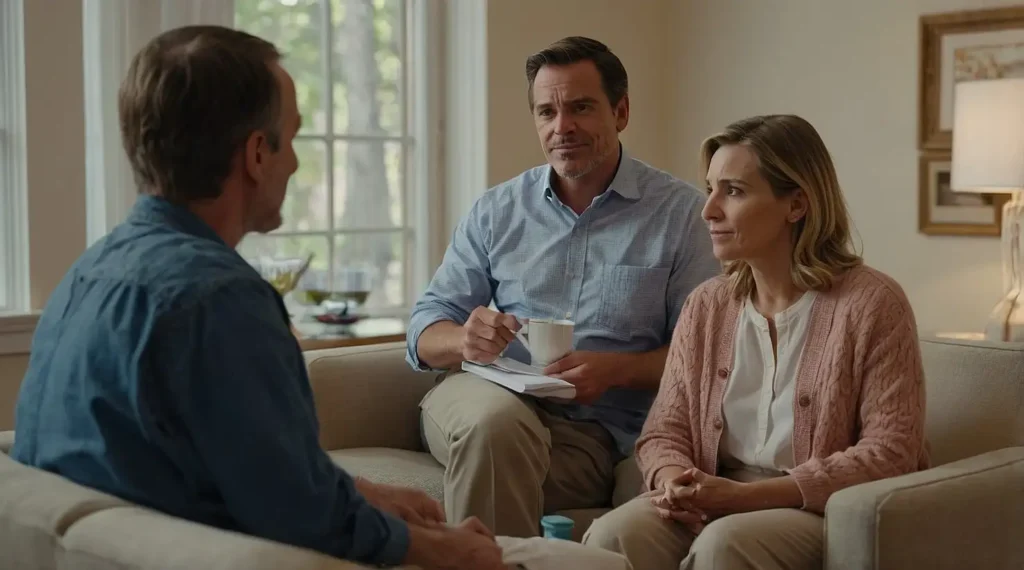
Urine drug testing, used respectfully, can anchor recuperation. I prefer foreseeable timetables early, such as weekly for the very first month, then tapering. Random tests have a place when safety and security issues exist. Results need to be talked about face to face when feasible, without ethical discourse. A positive test is data. It tells us the plan was not enough for the last week. We readjust, we do not shame.
Therapy tempo that breathes
Therapy in proceeding treatment should not be a cliff where you go from day-to-day groups to absolutely nothing. I build a path. As an example, regular individual sessions for the very first 8 weeks, then every other week for the next 8, then regular monthly check ins. Team treatment or abilities classes can layer on for social practice. Cognitive behavioral job targets high danger ideas and situations. Inspirational talking to keeps the door open when ambivalence appears, and it will. For injury, hurrying right into direct exposure work in the first month after detoxification commonly backfires. Stabilize initially, then relocate carefully.
Recovery coaching loads a different lane. Trainers expand the reach of medical professionals, satisfying people at coffeehouse, gyms, or a church cellar. In San Antonio, instructors who recognize the conference landscape can guide a customer towards teams where they will actually talk and return. That link in between center and community is everything.
Family systems do not alter by memo
Most houses develop rule of thumbs around a person's usage. Who conceals the tricks, who covers expenses, who conceals at household gatherings. Quiting use does not get rid of those patterns. If we do not name them, they pull individuals back.
Family sessions, also 2 or three, can reset assumptions. I ask family members to choose in advance just how they will deal with the following late night or the next missed meal. Not academic, however specific. Will they call the therapist, ask the person to sleep somewhere else, or bring them to a facility? Households likewise need training on language. Calling medication a prop or saying you simply require much more self-discipline wears down trust. Describing that buprenorphine reduces overdose risk and helps the mind clear up frameworks it as the clinical therapy it is.
In many San Antonio households, grandparents take an active caretaking duty. Including them, offering Spanish language materials, and including church leaders when the client is comfortable develops a larger ring of support that matches just how the household already works.
Housing and work, the useful anchors
Sobriety feels breakable without a secure area to sleep. Sober living homes vary in top quality. I seek residences with clear policies, transparent charges, and a track record that includes citizens keeping tasks and not just filling up beds. In Texas cities, excellent homes fill quick. Connecting before discharge, not after a regression, keeps alternatives open. For customers with co occurring mental wellness problems, think about encouraging real estate resources with county mental health authorities, though waiting lists can stretch.
Work maintains income and identity. Return to work plans must match the person's phase. A line chef moving back to a high stress and anxiety cooking area might start with day changes and clear limits around team beverages after close. A pupil at UTSA that drank to handle social stress and anxiety could construct a routine that stays clear of back to back late classes and consists of university counseling hours. Proceeding care that coordinates with employers decreases rubbing on both sides.
Telehealth and transport across Texas
Telehealth rose out of necessity, and in Texas it stays essential. Rural areas, long drives inside metro areas, and summer warmth transform a 20 min visit right into a 2 hour experience. I motivate a crossbreed design. Early visits face to face, which construct trust, then a mix of telehealth and personally check ins. See to it the technology is straightforward. A video link that services a basic smart device beats a platform that stops working at the last minute.
Transportation help can be as mundane as setting up a VIA pass in San Antonio, setting up Medicaid transport if eligible, or aligning consultations on the exact same day to cut journeys. I ask clients to walk through a sample week on a map. When the plan meets the roadways they really drive, we catch troubles early.
Safety preparation without drama
Craving spikes. Stress develops. A person provides a drink, a tablet, a hit. A great continuing care plan anticipates these moments and offers the individual a script. I ask customers to create, in their very own words, what they will certainly state when used, and who they will call if they are one action from making use of. We practice it aloud. It feels unpleasant. After that it saves them on a Friday when no one is addressing and the sun is going down.
Here is a short checklist I utilize throughout discharge meetings.
- Three names to call, in order, with numbers conserved and printed
- One public area to go if home does not really feel risk-free, such as a library or a late open gym
- A 24 hour facility or urgent treatment that understands their history, with instructions saved
- A sentence to claim when decreasing, written in their own voice
- A plan for rest, food, and hydration in the very first 24 hours after a lapse
This is not magic. It is basic friction versus the pull back to old patterns. Individuals tell me they drew that card out of their purse at midnight and realized they still had actually choices.
Paying for continuing care
Money stress hinders follow up as fast as anything. In Texas, Medicaid covers several proof based solutions, however qualification differs. Government certified health centers typically provide addiction treatment on a gliding range, and some consist of medications. Bigger healthcare facility systems in San Antonio run extensive outpatient programs that accept industrial strategies and TRICARE. Peer recovery services via area companies may be give funded, cost-free, or reduced cost.
Pharmacies differ extremely on cash money rates. If insurance coverage is not all set, requesting for generic formulas, inspecting price cut programs, and taking into consideration lengthy acting injections for alcohol or opioid use disorder can reduce downstream costs from missed doses. When price obstructs care, claim it out loud in the center. Way too many times I have heard after the truth that a person missed out on 3 visits because they can not pay for gas. We would have aided, yet only if we knew.
Measuring development that actually forecasts stability
Counting sober days issues, yet it is not nearly enough. I consider sleep consistency, work or school attendance, and how swiftly an individual responds to craving. Are they calling someone within an hour, or getting up a week later on in embarassment. I inquire about family suppers, not as an ethical statistics, but as an indicator of rhythm. High blood pressure and weight frequently maintain as drinking or energizer use shifts. For those on buprenorphine, I view dose stability and whether the person stretches refills or requires very early leading ups, which can mean unmanaged discomfort or life stress.
Write these pens down. A customer who sees on paper that they slept 6.5 hours a night this month, up from 4.5, understands progression also if one pee test shows a slip. We intend to build a situation for hope based on truths, not hopeful thinking.
A brief instance from the field
A 29 years of age daddy southern Side, working construction, finished thirty day of residential therapy for alcohol and cocaine usage. He had actually attempted treatment twice previously and relapsed within 2 weeks. This time around, we transformed the aftercare shape. We began extensive launch naltrexone for alcohol, set once a week treatment for eight weeks focused on sign exposure around payday, and linked him to a guys's Spanish language group he can attend near his home. His employer accepted day changes only for the initial month and no overtime on Fridays.
We also established a rideshare fund through an area partner for the first four consultations, since his vehicle was undependable. His partner signed up with two family sessions and took the lead on inspecting the fridge prior to weekend breaks, because cravings was a regression trigger for him. He relapsed as soon as at week five after a disagreement. The urine test on Monday verified alcohol. We satisfied the next day, added an added therapy session that week, and went through his relapse feedback strategy. He remained involved. At six months, he had not utilized drug, drank twice, both times identified early, and went back to baseline within 2 days. He informed me the distinction was not white knuckling, it was not being alone with it.
Common pitfalls and exactly how to evade them
Two patterns repeat. Initially, plans that rely on willpower alone. No medicine for alcohol or opioids when qualified, no framework to the week, and no peers. That strategy asks the person to eliminate a mind disease with grit. Some do, several do not.
Second, timetables that are difficult. A mother of 3 can deficient to a 4 p.m. Midtown team on institution days. A welder on a 10 hour shift will miss noontime therapy calls. Build the schedule around the life that exists, not the life we imagine.
Clinicians also fall into the trap of going after excellence. If a customer utilizes, we occasionally swing as well hard, including five consultations and threatening discharge. Typically we require one additional session, a check on rest and food, and a tightened up drug plan. We can be firm without being brittle.
Questions to ask a Texas company before discharge
- How will certainly my medicine be re-filled the initial three months, and what takes place if the pharmacy is out
- What is the specific timetable of therapy or teams for the very first 8 weeks, and how does it taper
- Who do I call after hours, and what is the anticipated action time
- Where and how usually will I do urine or breath tests, and how will we use the results
- What transportation or telehealth options are readily available if I can not make it in person
If the solutions are vague, push for specifics. A good team will invite the nudge.
Getting began, one functional action at a time
If you are in San Antonio or in other places in Texas and nearing discharge, sit down with your carrier today and request a written proceeding care plan that fits your life. Include medication, therapy, testing, peer support, and a relapse reaction. Share it with one family member or trusted friend. If you have actually ruled out medicine for alcohol or opioids, ask once again. If transport or child care will hinder you, say so. The team can not fix what it does not see.
Addiction therapy is not a sprint. It is a collection of choices, supported by individuals and plans, that add up. With a clear continuing care map, the road throughout Texas, from Amarillo to the Valley and via the heart of San Antonio, becomes navigable. You do not need best problems. You require a strategy that appreciates the realities of your life, and a team that will stroll with you enough time for your brain, your routines, and your family to overtake your intentions.
For any person searching the web at twelve o'clock at night, typing addiction treatment in San Antonio or Addiction treatment texas right into a box and expecting a next step, understand this: the action exists. Request for proceeding treatment that is concrete, kind, and persistent. It is not an add. It is the work that transforms therapy into a life.